Product UI systems
I design UI like it’s going to production. Clean hierarchy, spacing, reusable components, and interactions that feel “snappy”.
I care about clean UI, fast systems, and making projects that are actually usable — not just “working”.
Currently building Pixxivo devices + polished interfaces.
Who I am, what I care about, what I’m building.
I’m Prateek — a student developer who builds web + hardware projects. I’m obsessed with making things feel clean, usable, and real — not just “a demo”.
I think in systems, not just screens. I care about flow, speed, and that subtle “this feels right” moment. If it feels clunky, I rebuild it.
I build products in public: prototypes → systems → shipped upgrades. Not “freelance”. Just real builds.
I’m not collecting “projects” — I’m building a product universe. Everything I ship has one goal: feel real. Fast. Clear. Reliable. If it looks cool but confuses people, it’s getting deleted.
I design UI like it’s going to production. Clean hierarchy, spacing, reusable components, and interactions that feel “snappy”.
I obsess over what happens after a click: loading states, errors, recovery, and what the user should do next.
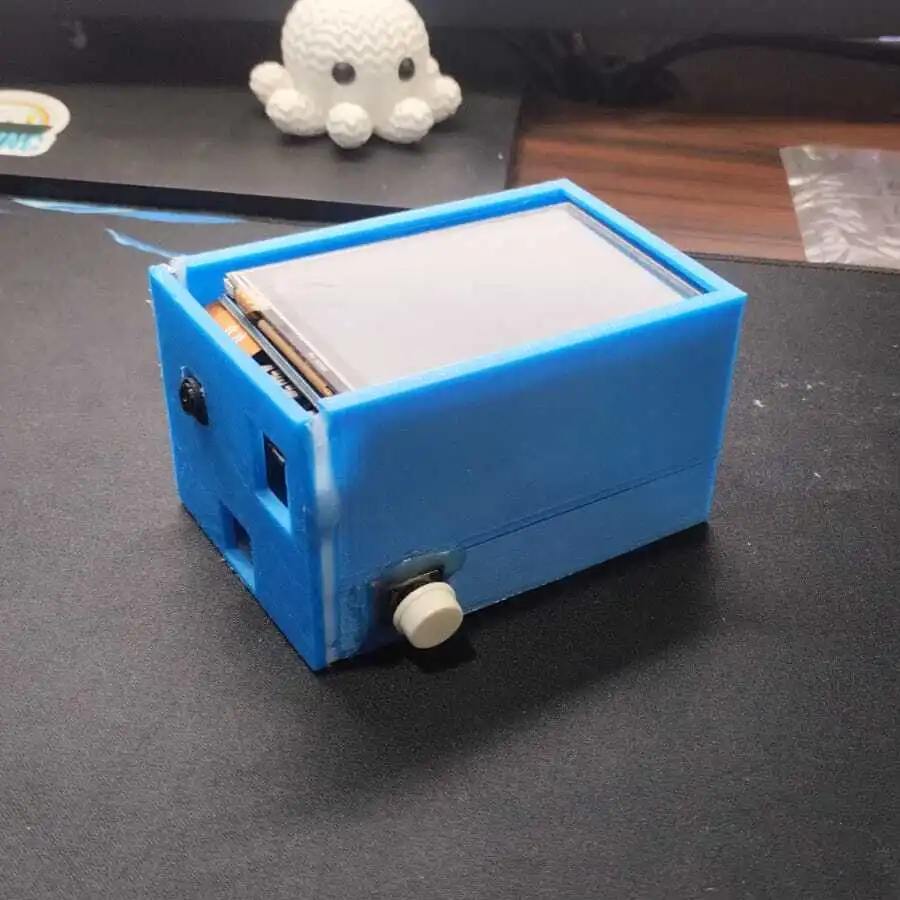
When it’s hardware, UX can’t be “maybe”. It must be obvious. I build calm device UIs: scan → progress → result → action.
Pixxivo is the main thing. Everything here connects back to it — devices, interfaces, experiments, and systems that level up the product.
I keep tools simple so I can move fast. If a tool slows shipping, it’s getting replaced.
Two projects I’m proud of.
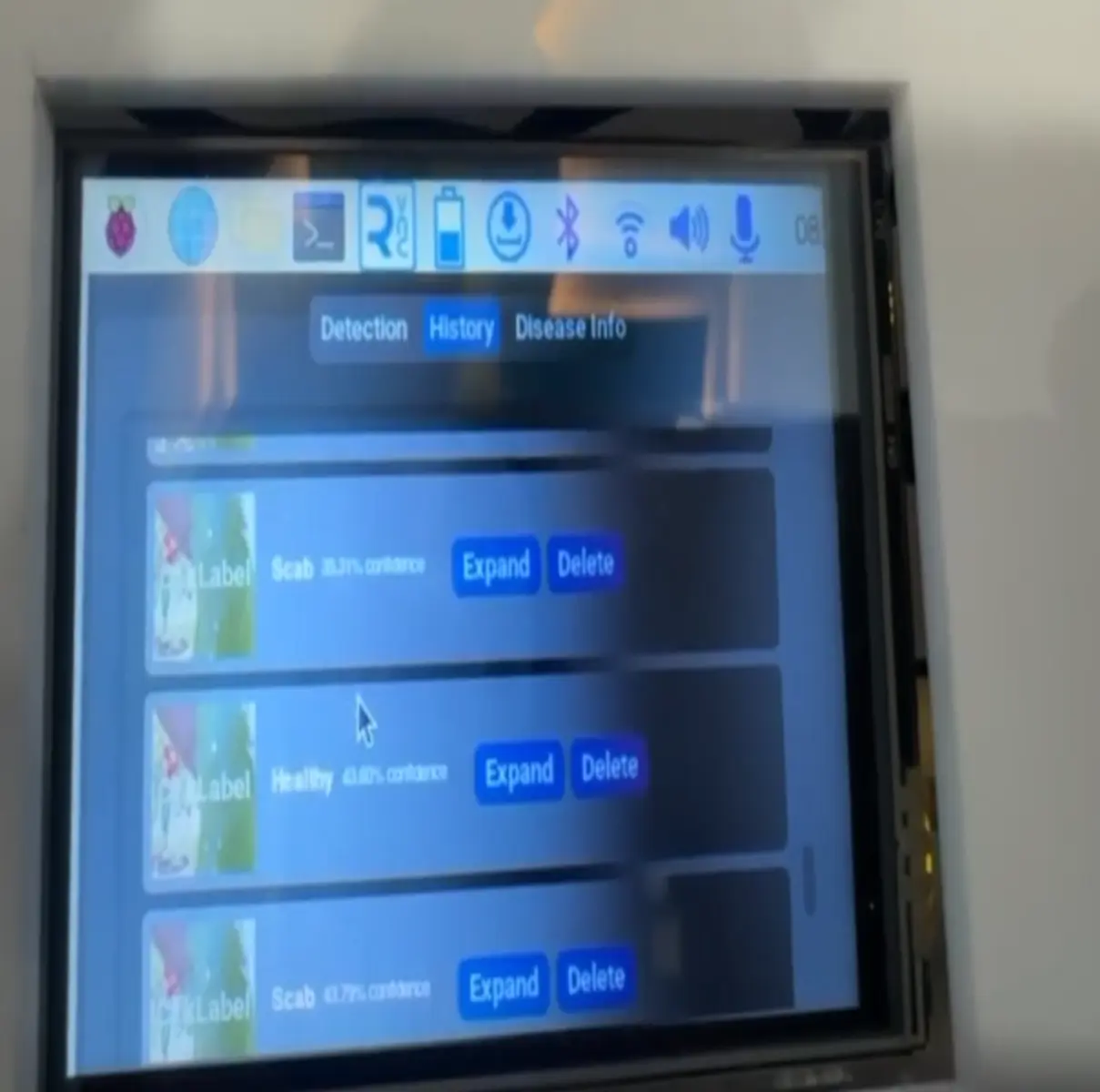
Plant disease detection system focused on: capture → analyze → result → action.
Most demos stop at prediction. This focuses on usability: clear result + what to do next.
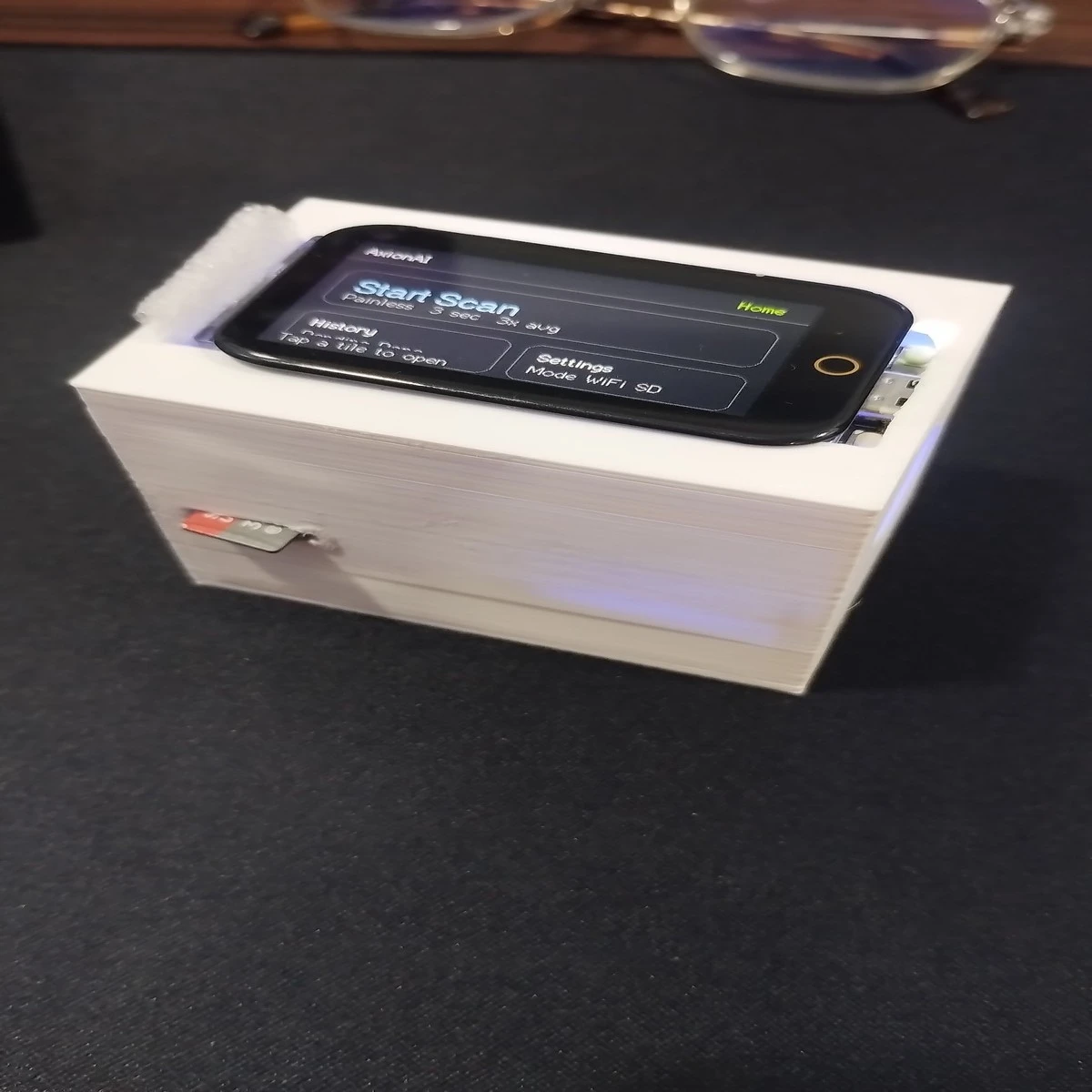
Health scanning concept designed around trust: progress → label → compare → alert.
Health results are useless if they’re confusing. This is built around clear labels and calm UX.